
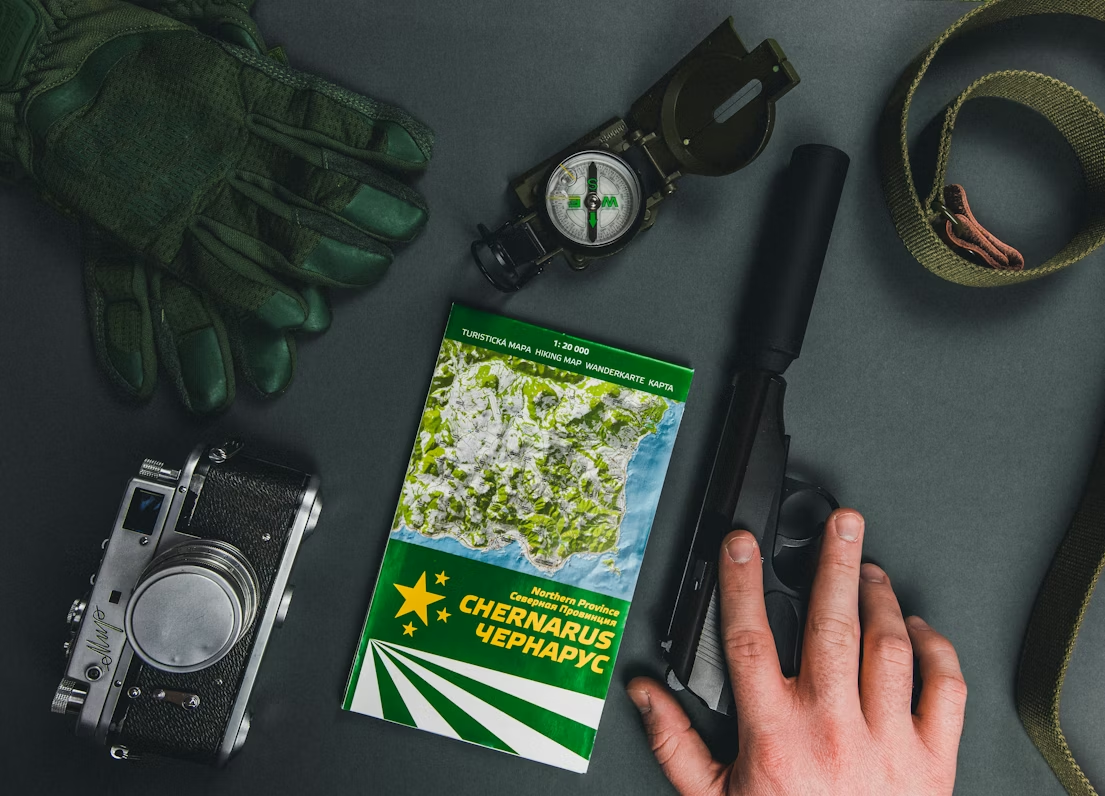
Enrolling in a firearms license course is an essential first step for anyone interested in responsible gun ownership. While basic courses cover fundamental safety, handling, and legal requirements, advanced training options provide participants with specialized skills and knowledge to enhance proficiency and confidence.
These programs are designed for those who wish to go beyond the basics and gain expertise in areas such as tactical skills, defensive shooting, and situational awareness.
1. Tactical Shooting and Scenario-Based Training
Advanced firearms license course often include tactical shooting techniques and scenario-based exercises. Participants learn how to respond effectively in real-world situations, including home defense or self-protection scenarios.
This training emphasizes safe movement, positioning, and target identification under stress. Scenario-based exercises simulate realistic challenges, helping participants develop quick decision-making skills while maintaining safety and control.
2. Defensive and Concealed Carry Training
Many advanced programs focus on defensive firearm use and concealed carry techniques. Trainees learn how to carry firearms safely in public, maintain readiness, and follow legal guidelines.
These courses cover drawing from a holster, proper grip, stance, and accurate target engagement while minimizing risk. Practicing under supervised conditions ensures participants build confidence and competence in managing potentially dangerous situations responsibly.
3. Advanced Marksmanship and Precision Skills
Beyond basic marksmanship, advanced courses teach techniques to improve accuracy and consistency. This may include shooting at various distances, understanding ballistics, and mastering recoil control.
Participants also learn how to adjust for environmental factors such as wind, lighting, and movement. Improving precision and accuracy enhances overall firearm handling skills and prepares individuals for more challenging shooting conditions.
4. Weapon Maintenance and Customization
Proper firearm maintenance is critical for safety and performance. Advanced firearms license courses often provide detailed instruction on cleaning, inspection, and maintenance routines.
Some programs also cover customization options, such as upgrading sights, grips, or triggers. Understanding the mechanical aspects of a firearm helps participants ensure reliable performance and prolongs the life of their equipment.
5. Legal and Ethical Considerations
Advanced training emphasizes not only skill development but also the legal and ethical responsibilities of firearm ownership. Courses review laws regarding self-defense, use-of-force guidelines, and state-specific regulations. Participants learn how to make informed decisions and act responsibly in high-stress situations. Understanding these aspects is essential for protecting oneself and others while complying with legal standards.
6. Integrating Technology and Simulation
Some advanced firearms license courses incorporate modern technology, such as virtual shooting simulators and electronic target systems. These tools allow participants to practice scenarios safely, track performance metrics, and refine techniques without the limitations of traditional range environments.
Simulations provide immediate feedback, helping learners identify areas for improvement and enhance their decision-making skills.
Conclusion
In conclusion, advanced training options within a firearms license course expand upon foundational skills, offering participants the opportunity to develop tactical proficiency, defensive capabilities, precise marksmanship, and comprehensive legal knowledge. These courses provide a structured environment to build confidence, competence, and responsibility in firearm use.
By pursuing advanced training, firearm owners can ensure they are prepared for a variety of real-world situations while maintaining safety and ethical standards, enhancing both personal and public security.