
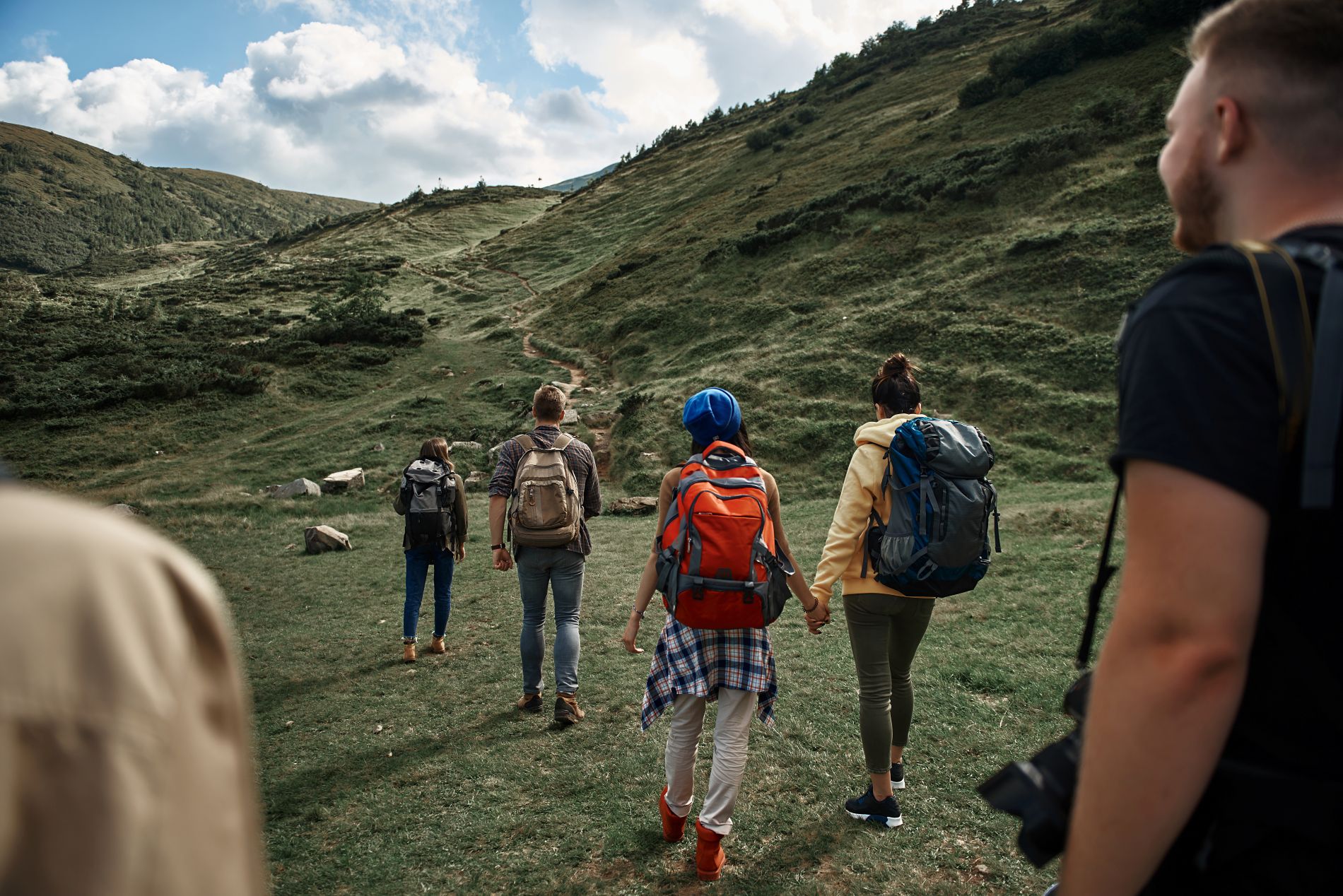
The market for outdoor adventure tourism has been a growing market that encompasses many activities outdoors, including camping, hiking, and climbing. This market will have significant implications for campgrounds across the United States, as adventure travellers seek out genuine and unique experiences in natural surroundings. With more and more people preferring outdoor activities as part of their plans for vacation, the demand for camping sites as well as other accommodations that are in nature is growing.
Camping has always been a favorite option for outdoor enthusiasts. They offer cheap and affordable options to stay overnight in picturesque places. But as the market for outdoor adventure tourism continues to grow and change, campgrounds need to be able to meet the ever-changing requirements and demands of adventure tourists.
Key Takeaways:
- The market for outdoor adventure tourism is growing rapidly and covers numerous activities.
- Campgrounds have to be able to meet the evolving requirements and demands of adventure tourists to stay in the game.
- The demand for camping spots and other accommodation options in natural settings is rising due to the growing popularity of adventure travel in the outdoors.
- Outdoor adventure spots are growing, offering more choices for those seeking authentic and unique experiences.
- Camping grounds have the potential to be a major part of the market for outdoor adventure tourism by providing a variety of options and amenities.
Understanding the Outdoor Adventure Tourism Market
The market for outdoor adventure tourism is an expanding industry that includes a variety of outdoor activities like camping, hiking,g, and whitewater rafting, rock climbing, and much more. Adventure travel is becoming more sought-after by travelers, specifically Generation Y and Gen Z, who seek unforgettable experiences that let them be in touch with nature and push the boundaries of their abilities.
The industry of adventure tourism is expected to expand globally with a predicted total market of $1.3 trillion in 2026. For the United States alone, adventure travel is responsible for approximately $683 billion annually in spending. Additionally, the business has numerous economic benefits, which include job creation as well as increased profits for local businesses.
In a time when travelers are looking for thrilling and new adventurbusinesses must stay up-to-date about the newest adventures and trends. To meet the demands of this expanding market, numerous hotels, resorts, and campgrounds are beginning to concentrate on outdoor adventure tourism. They offer various services and activities to the adventurous traveler.
“The more you learn, the greater you’ll be able to understand. The more you know and discover, the more places you’ll visit.” Dr. Seuss
Outdoor adventure tourism isn’t only about adrenaline-pumping sports but also about interacting with nature and exploring different cultures. The most popular destinations for adventure tourism are National parks and wilderness zones, and many other natural wonders. But, visitors can also select adventure- or cultural trips in urban areas which combine the outdoors with city-based activities.
Over, the market for outdoor adventure tourism is an exciting and diverse market that offers a wealth of opportunities for companies to profit from. Through providing distinctive experiences and catering to the requirements of adventure-seekers, hotels, resorts, and campgrounds can set themselves apart from their competitors and prosper in this expanding market.
Exploring Eco-Tourism and Sustainable Tourism
While it is evident that the Outdoor Adventure Tourism Market continues to grow, ecotourism as well as sustainable tourism have become essential elements in adventure tourism. These kinds of tourism are focused on delivering experiences that encourage the environment and culture while also assisting in the preservation of the natural resources.
Eco-tourism is one type of tourism in nature that focuses on sustainability and conservation. It is a responsible way to travel to natural areas that protect the environment as well as improve the health of the local population. Eco-tourism is a way to limit the negative effects of tourism while maximizing the positive impact it has on the local community and the environment. Tourists can participate in a variety of pursuits, such as hiking, camping, and wildlife viewing, while also discovering the unique ecosystems and culture of their destination.
Sustainable tourism is a different method of responsible travel. It aims to reduce the negative impacts of tourism on the local and natural environment while providing a pleasant experience for guests. Sustainable tourism concentrates on the sustainability of tourism over time and its impact on the social, economic, and environmental development of the place of travel. This kind of tourism allows visitors to adopt eco-friendly practices and to interact with local communities in order to gain more knowledge of their customs and cultures.
Sustainable tourism and eco-tourism are becoming more popular among tourists on the move and more travelers seeking authentic experiences that encourage sustainability and conservation. A Nature Tourism Statistics report found that in the year 2018, 60 percent of U.S. travelers participated in activities that are based on nature, indicating the growing need for eco-friendly tourism alternatives.
“We need to recognize that what we do to the environment, we do to ourselves.”
The Rise of Outdoor Adventure Destinations
The increasing popularity of adventure tourism in the outdoors has led to the development of numerous outdoor adventure locations throughout the United States. From stunning national parks to breathtaking mountains and stunning coastlines, these destinations give adventure-seekers the chance to take part in a myriad of diverse outdoor experiences and activities.
The need for outdoor adventure destinations is growing as more tourists want to escape the typical beaches and city getaways. According to a study by the Outdoor Industry Association, the outdoor recreation sector generated $788 billion in spending by consumers in the year 2019, and adventure travel was one of the major contributors to overall income. This suggests that adventure travel is an extremely lucrative segment of the market that should not be overlooked.
Outdoor adventure locations offer a wide range of sports that include camping, hiking, water sports, rock climbing, mountain biking, as well as skiing. Some of the most sought-after places that are located in the United States include Yellowstone National Park, Joshua Tree National Park, Yosemite National Park, as well as the Grand Canyon. Grand Canyon.
“Adventure tourism is changing the way that many American communities are viewed and their economies are developed, marketed, and sustained,” says Derrick Crand, who is president of the American Recreation Coalition.
These locations not only offer visitors the opportunity to enjoy the outdoors, but they also have a major economic impact on the local economy. Outdoor recreation helps local businesses like hotels or restaurants, as well as recreation outfitters, generate jobs and income.
The Impact on Campgrounds
The increasing popularity of adventure tourism in the outdoors has had a significant impact on the campground sector within the United States. Adventure tourists have specific demands and expectations regarding camping, which requires campgrounds to adjust their amenities and offerings. According to a survey that was conducted by the Outdoor Industry Association, camping is the most sought-after outdoor activity for adventurers, 48% of respondents saying that they had camped during their most recent adventure trip.
Camping grounds must be able to meet the changing needs of adventurers. The majority of them seek campsites that provide access to various outdoor activities like climbing, hiking, kayaking, and fishing. Campgrounds should also provide modern amenities and facilities like restrooms, showers, and Wi-Fi connections for staying connected to the world outside.
Another way that outdoor adventure tourism affected campsites is by increasing demand. Camping grounds near popular destinations for adventure have seen an increase in reservations, which is forcing them to increase their facilities or create new locations to handle the increasing number of tourists. But not all campgrounds are capable of handling large volumes of traffic, placing an undue strain on resources and raising environmental issues.
Despite the difficulties, numerous campgrounds are taking advantage of the opportunities that outdoor adventure tourism offers. Many are partnering with outdoor tour companies or adventure companies in order to provide bundled packages for tourists, and other campgrounds are expanding their services to include services that are geared towards adventure, like gear rental and guided toursAdventurere classes on site.
Opportunities for Campgrounds in the Outdoor Adventure Tourism Market
Camping grounds all over the United States have a significant chance to profit from the expanding outdoor adventure tourism market. With a growing number of travelers looking for experiences that let them connect to nature and participate in exciting outdoor activities, campgrounds can be well-positioned to respond to the growing demand.
The most successful ways for campgrounds to target particular segments of the market for outdoor adventure tourism are. For instance, a campground might concentrate on catering to hikers by offering facilities like guided hikes, as well as shuttle service to trails close by. Some may also cater to water sports enthusiasts, offering rentals of equipment as well as guides to nearby water bodies.
Camping facilities can also stand out by providing distinct experiences that are different from the traditional camping experience. For example, they might offer opportunities to stargaze and wildlife viewing or even hunting in the forest for edible mushrooms and plants.
Alongside expanding the range of services offered, camping facilities may increase their revenue by using technology to enhance the customer experience. It could include providing online payment and reservation options, as well as Wi-Fi connections, and launching a mobile app that allows guests to quickly find information on local attractions and other activities.
Campgrounds also have the opportunity to benefit from the growing trend toward sustainable and environmentally friendly tourism by adopting environmentally responsible practices and encouraging their dedication to sustainability. It could be as simple as recycling programs energy energy-efficient appliances and lighting, and initiatives to conserve water.
In embracing the opportunities offered by the market for outdoor adventure tourism, campgrounds can draw a new generation of travellers and become the go-to destination for adventurers. By focusing their marketing efforts, enhancing experience for customers, and well sustainable environmental practices, campgrounds can be positioned for long-term success within the changing tourism market.
Challenges and Considerations for Campgrounds
The growth of outdoor adventure tourism has created many challenges and concerns for campgrounds that want to profit from this expanding market. One of the biggest issues is managing the increased demand, especially during peak times. As more and more people seek adventurous travel experiences, campsites need to be prepared to handle a greater number of travelers while providing quality facilities and services.
Another concern is ensuring the sustainability of the environment while also catering to the requirements of adventure travellers. Many outdoor enthusiasts value sustainable tourism and eco-tourism principles, which means that campgrounds need to adopt eco-friendly practices to stay attractive to this market segment.
The competition in the market for outdoor adventure tourism is a major consideration for campgrounds. With the increasing variety of adventure travel options, it’s crucial to differentiate the offerings of campgrounds from those of competitors. This could mean diversification of amenities, better marketing strategies, and personalised customer experience.
In addition, various economic aspects should be taken into consideration when a campground is looking to make a profit on the growing market for outdoor adventure tourism. They should consider the costs of improving structures to cater to the requirements of adventure travellers and the possible impacts on local communities, and the necessity of balancing profit and sustainable business practices.
“As more travelers seek out adventure travel experiences, campgrounds must be prepared to accommodate higher volumes of visitors while maintaining quality amenities and services.”
The Role of Technology in Outdoor Adventure Tourism
Technology has had a major impact on the evolution of the market for outdoor adventure tourism. The introduction of mobile devices and the internet has changed the way that travelers plan and enjoy their trips. Today, travelers can find destinations, compare prices, and book travel with just one click.
The industry of adventure tourism has taken on technology to enhance customer experience and stay ahead of the curve. One of the biggest technological advancements is the application of augmented and virtual reality. This technology lets people enjoy activities like zip-lining, bungee-jumping, and rock climbing in the comfort of their homes. It helps tourists make better decisions, but also creates excitement and excitement about activities that are available at various locations.
Another area in which technology has made a huge impact ie, marketing. Digital platforms like email marketing, social media, along search engine optimization have changed the way that companies and destinations advertise their products. Camping grounds and other outdoor lodging are able to use a variety of ways to market their services digitally and draw adventurous travelers. For instance, they can utilize targeted advertisements to attract people who are interested in particular outdoor activities, like mountain biking, hiking, or kayaking.
Technology has also made it possible for companies to gather and analyze information about their customers. With the help of sophisticated analytics tools, businesses can monitor consumer preferences, behavior, and trends. The data could be utilized to customize marketing communications, improve prices and offerings for products, and improve customer experience.
Technology has helped the field of adventure tourism to grow and change in new ways. The application of augmented and virtual realities, online marketing, and data analytics has changed how travelers organize and enjoy their trips. As the travel industry continues to expand and de, it is expected that the technology industry will have a greater influence on the direction of its future.
Conclusion
As the demand for the adventure tourism industry continues to rise as the market for outdoor adventure tourism is gaining importance for campgrounds across the United States. From knowing the market and exploring eco-tourism to adjusting to changing demands of travelers and harnessing technology, campgrounds can take advantage of new opportunities to draw visitors from all over the world, expand services, and generate more revenue.
Outdoor activities like adventure travel, the desire to be connected to nature, are driving substantial growth in this industry. Camping options for campgrounds are numerous, but they need to consider the issues that go along with the opportunities. The industry has to be able to change to guarantee sustainability, environmental protection, and fair distribution of the benefits. Making use of the power of technology can improve customer experience and boost marketing strategies.
As the business of adventure tourism develops in the coming years, it will play ana crucial part in the development of the economy of communities. Camping grounds are poised to contribute to this development, offering the only connection to outdoor activities as well as an opportunity to get out and explore the outdoors. If they take advantage of the opportunities offered by the growing market for outdoor adventure tourism, campgrounds will be able to remain an integral component of the travel industry for many years to come.
FAQ
What exactly is outdoor adventure tourism?
Outdoor adventure tourism is a leisure and travel activities that require exploring the natural world and taking part in thrilling outdoor adventures. It could include things like camping, hiking and water sports, rock climbing, safaris for wildlife, and many more.
What makes outdoor adventure tourism so popular?
Adventure tourism in the outdoors is a popular activity due to the opportunity to commune with nature, test their bodies and minds, and enjoy new and thrilling experiences. It lets people escape their daily routines to immerse themselves in unforgettable and thrilling adventures.
How do you define ecotourism?
Eco-tourism, also referred to as sustainable tourism or natural tourism, refers to the travel methods that concentrate on protecting the natural environment while encouraging the local culture and development of communities. It is designed to reduce the negative impact that tourism has on our environment and to maximize the benefits that local communities receive from tourism.
Why is eco-tourism so important when it comes to outdoor tourism?
Eco-tourism is essential in outdoor adventure tourism since it enables travelers to experience activities outdoors without causing harm to the natural environment. By utilizing environmentally friendly practices and promoting initiatives to promote sustainable tourism, adventure tourists can help in the protection of the natural resources as well as the well-being of local populations.
What are the top outdoor adventure spots across the United States?
The most well-known outdoor adventure destinations throughout the United States include national parks such as Yellowstone and Yosemite and Yosemite and Yellowstone, the Rocky Mountains, the Grand Canyon, and the Appalachian Trail, and coastal regions like Alaska as well as Hawaii. These places offer diverse landscapes and a variety of outdoor pursuits for adventure fans.
What impact has outdoor adventure tourism had on campsites?
The growing popularity of adventure tourism in the outdoors has had a profound effect on camp sites. Camping is often regarded by adventurers as their preferred option for accommodation because of its proximity to outdoor activities. Campgrounds that are able to meet the particular desires and needs of adventure travelers have witnessed an increase in demand and revenues.
What possibilities does the market for outdoor adventure tourism provide for campsites?
The market for outdoor adventure tourism offers numerous possibilities for campgrounds. By extending amenities and offering services that are specifically tailored for adventurers,campgroundso can attract an entirely new clientele. In addition, partnerships with operators of adventure tourism, in addition to the advertising of outdoor adventures that are unique, will increase the visibility of campgrounds and generate revenue.
What obstacles do campgrounds have to confront in the world of outdoor adventure tourism?
Camping grounds face challenges, such as dealing with the increased demand in peak travel times, as well as ensuring environmental sustainability and remaining at the forefront of a rapidly changing market. They also have to meet the ever-changing expectations and demands of adventure tourists, while making sure that comfort and convenience are balanced with conserving the natural resources.
What impact has technology had on tourism to the outdoors?
Technology has had an important impact on the evolution of the field of outdoor adventure tourism. It has improved safety procedures as well as improved the process of booking and reserving to enjoy outdoor pursuits, and changed marketing strategies. Technology has also enabled campsites to promote their amenities to visitors on the go better and to provide digital tools to plan and navigate.
What’s the future of adventure travel and its effect on camping facilities?
Adventure travel’s future is promising, as more travellers want unique and unforgettable experiences in natural settings. The increasing interest in travel in nature is likely to continue affecting campsites, resulting in the need for creative solutions that meet adventure tourists’ needs and ensure the survival of campgrounds as vital elements of an adventure travel experience.