
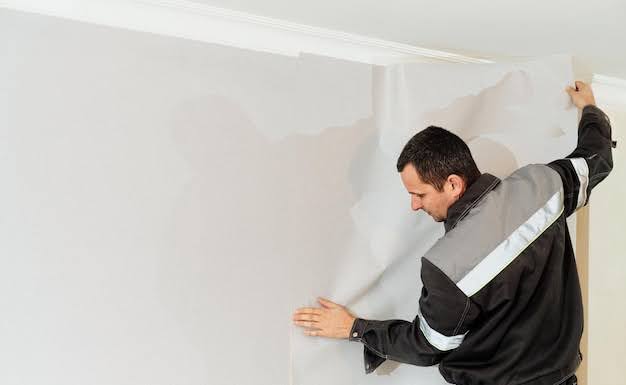
Removing old wallpaper may seem like a simple task, but in reality, it can be time-consuming, messy, and challenging without the right tools and expertise. Many homeowners choose wallpaper removal services to ensure the job is completed efficiently and without damaging the walls. Professional removal not only saves time but also prepares surfaces properly for painting or installing new wallpaper. Understanding the step-by-step process used by professionals can help you know what to expect and why expert assistance is often the best choice.
1. Initial Inspection and Preparation
The first step in professional wallpaper removal services is a thorough inspection of the wall surface. Experts assess the type of wallpaper, adhesive used, wall condition, and whether multiple layers are present. Based on this evaluation, they determine the safest and most effective removal method.
Before starting the process, the team prepares the workspace by covering floors, furniture, and electrical outlets to prevent damage from moisture, debris, or cleaning solutions. Proper preparation ensures a clean and organized work environment.
2. Scoring the Wallpaper Surface
Many wallpapers have a protective coating that prevents moisture from penetrating. Professionals use a specialized scoring tool to create small perforations in the surface.
This step allows water or removal solutions to reach the adhesive underneath, making the wallpaper easier to loosen without causing harm to the drywall or plaster.
3. Applying Removal Solution or Steam
Once the wallpaper is scored, technicians apply a removal solution or use a steam machine to soften the adhesive. The solution breaks down the glue, while steam helps loosen stubborn sections.
Professional wallpaper removal services carefully control the amount of moisture used to avoid oversaturation, which could damage the wall structure.
4. Carefully Removing the Wallpaper
After the adhesive softens, the wallpaper is gently peeled away using professional tools such as scrapers and putty knives. Experts work slowly and evenly to prevent tearing the wall surface. If multiple layers of wallpaper are present, the process may be repeated until all material is completely removed.
This step requires patience and skill, as improper removal techniques can result in gouges, dents, or damaged drywall.
5. Cleaning and Removing Adhesive Residue
Even after the wallpaper is removed, adhesive residue often remains on the wall. Professionals thoroughly clean the surface using specialized solutions to eliminate all traces of glue.
Removing this residue is essential because leftover adhesive can interfere with paint application or the installation of new wallpaper.A clean, smooth surface ensures better adhesion and a professional finish for future wall treatments.
Conclusion
Professional wallpaper removal is a detailed process that requires the right tools, techniques, and experience. From inspection and scoring to adhesive removal and surface repair, wallpaper removal services ensure your walls are restored safely and efficiently. Hiring professionals not only saves time and effort but also prevents costly damage and ensures a smooth surface for your next home improvement project. With expert help, you can transform your space quickly and achieve a clean, polished look that lasts for years.